
I came to clay 3D printing through plastic 3D printing. I liked the precision, but clay quickly taught me that the digital file is only the beginning.
From plastic precision to ceramic reality
I was already interested in precision, proportion, and texture. The first real lesson was simple: clay does not behave like plastic.
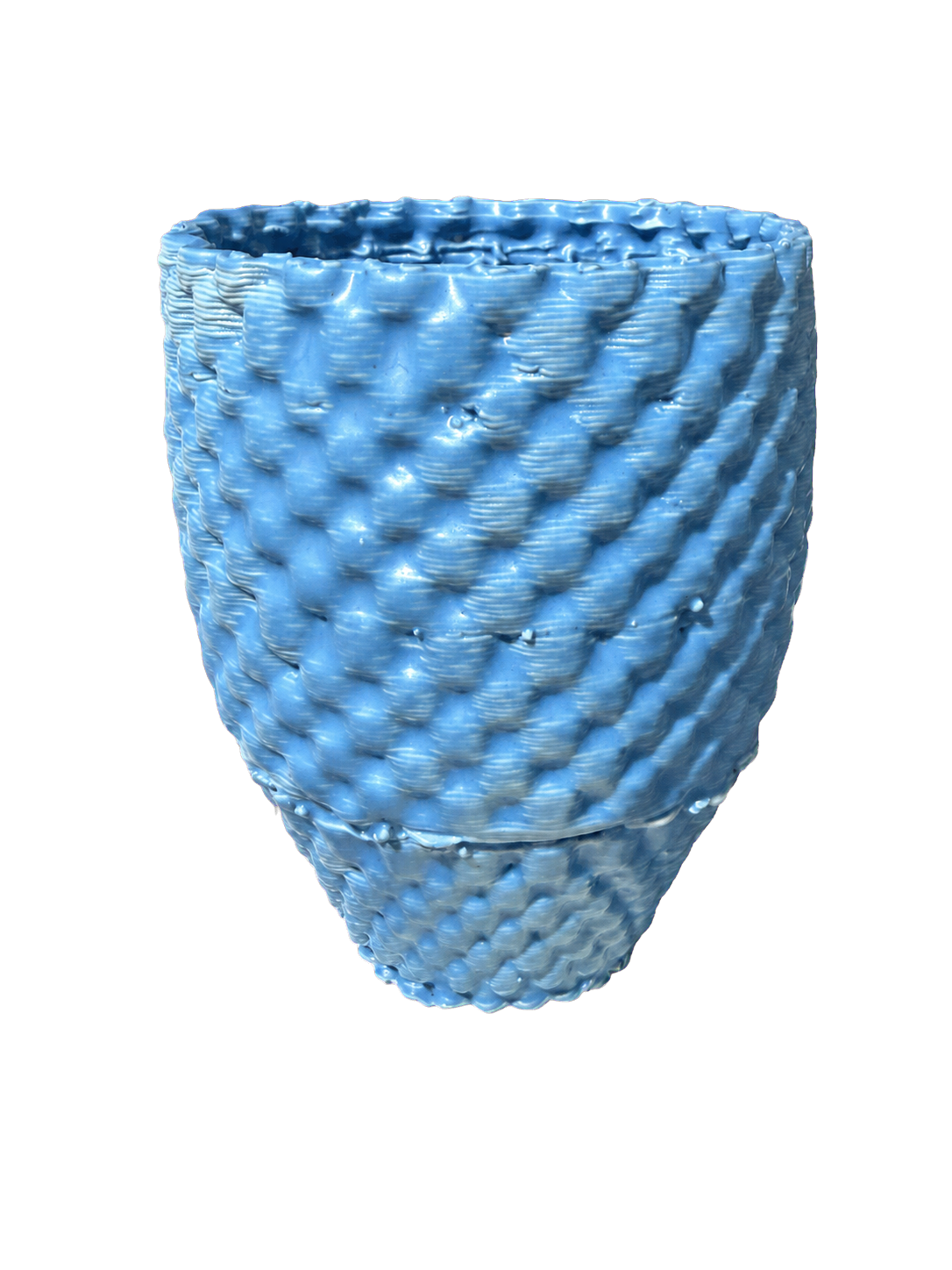
The first print made it look easy
My first test print went smoothly. The clay was pre-loaded and the file was already designed, so it made the process look easier than it was. Once I loaded my own clay and started designing my own forms, the real learning began.
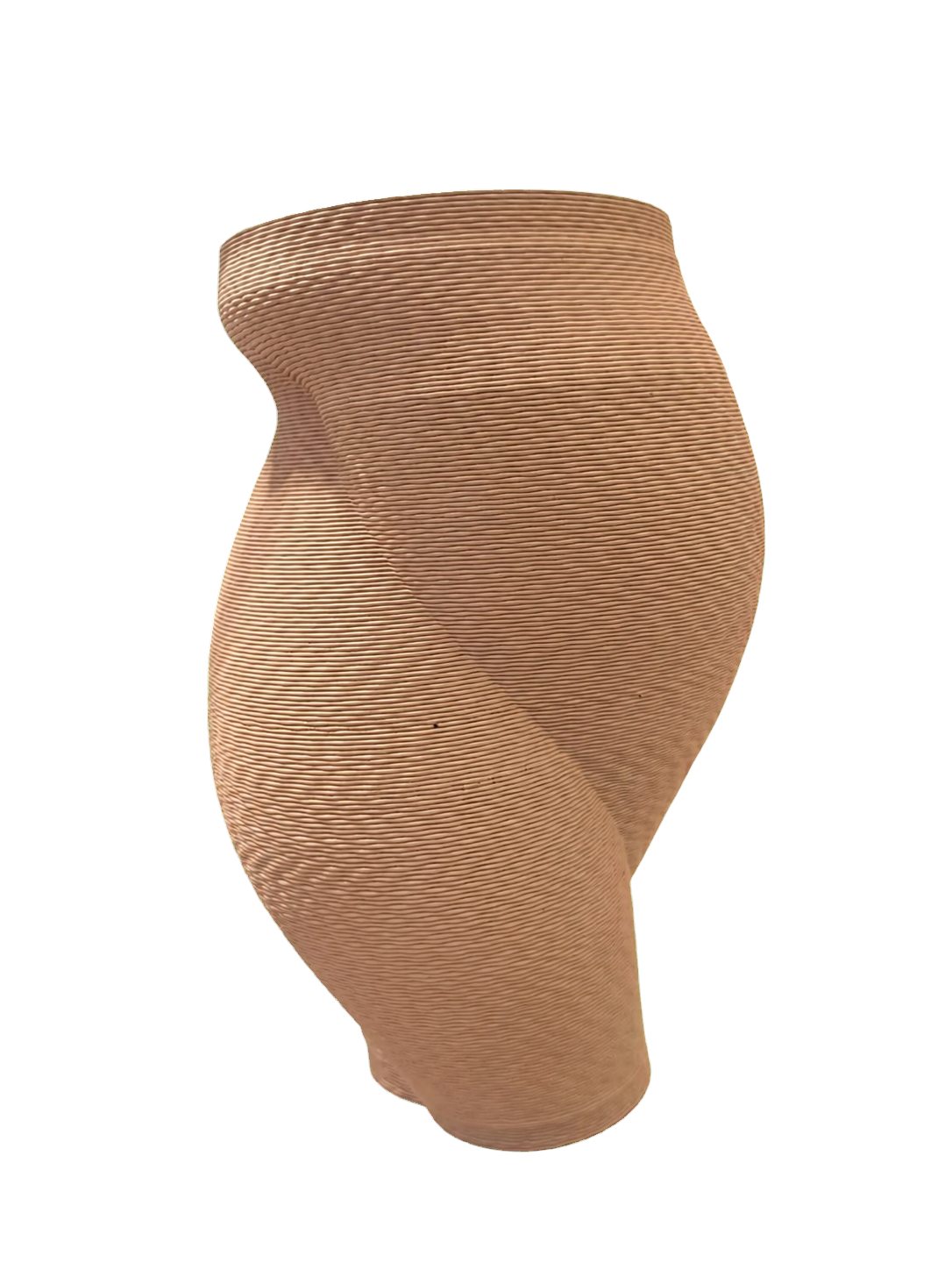
Learning through failure
Overhangs collapse. Air pockets stop a print completely. A curve that looks great on the screen can turn into a slump.
I took the machine apart plenty of times because one small variable had gone wrong. It was frustrating, but that is where most of the learning happened.
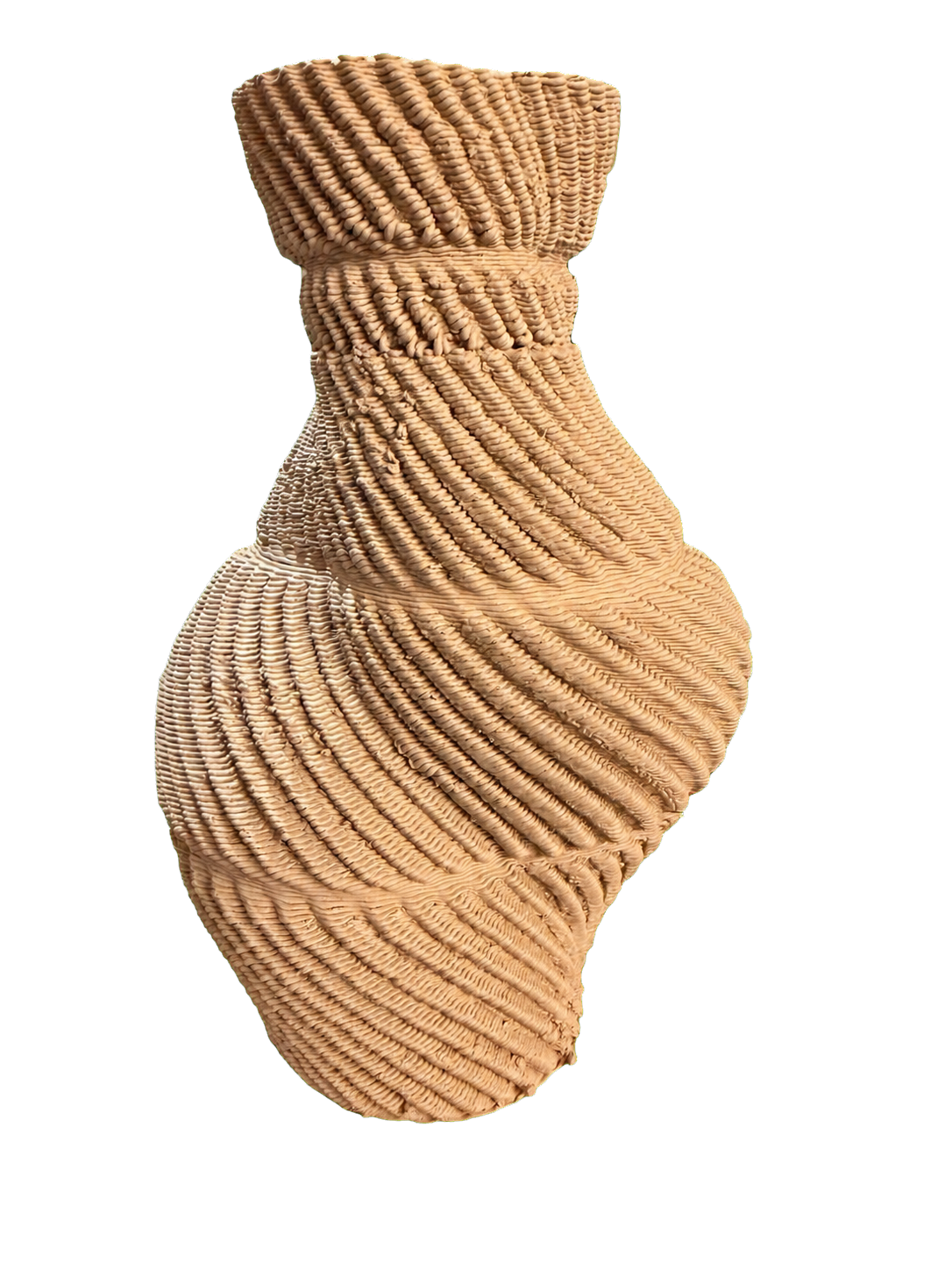
When the layers finally land
The successful prints took longer to reach, but they were worth it. Watching a two-hour print place each layer correctly and then holding a piece I had designed made the failed attempts useful.
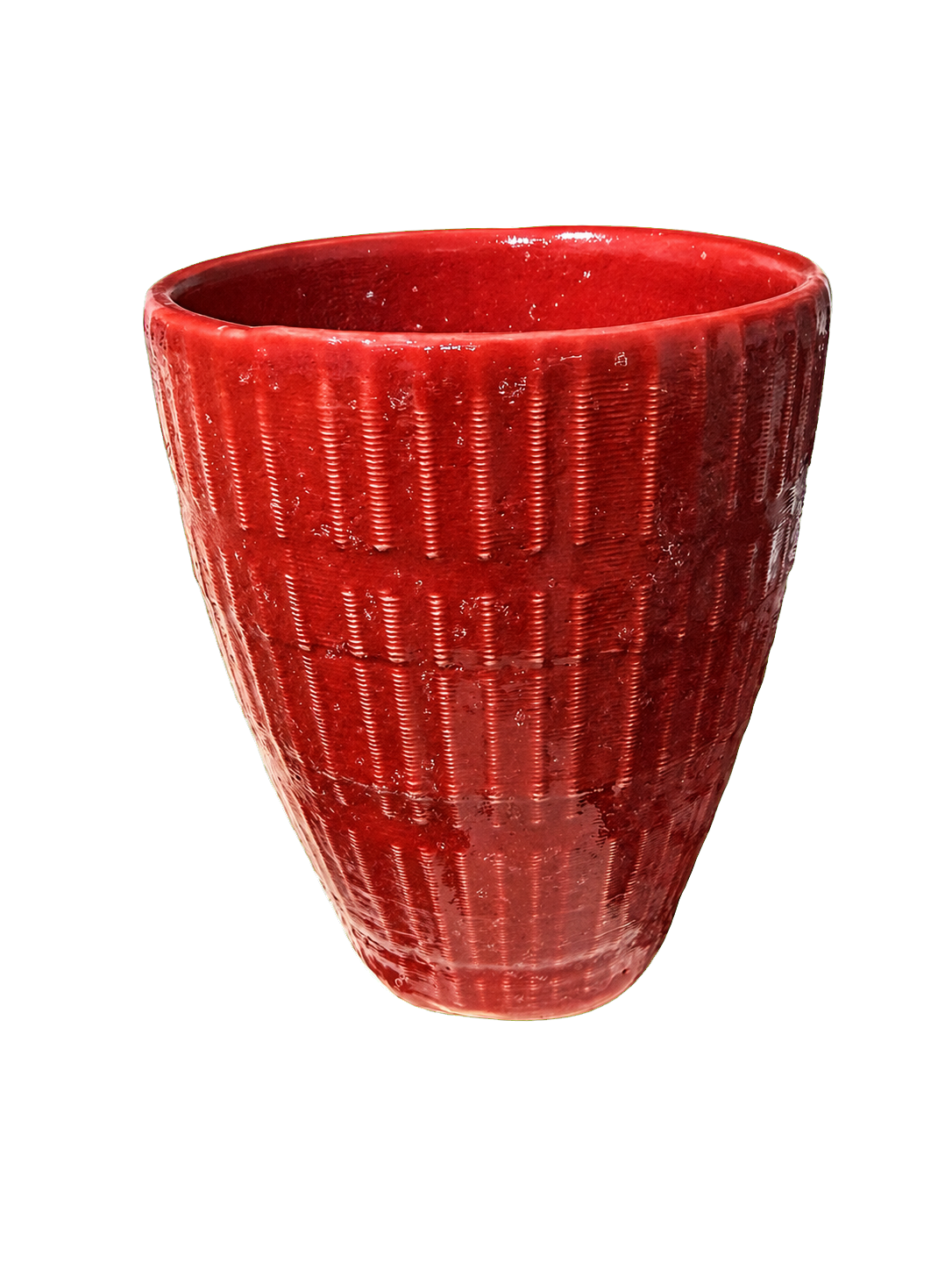
Respect the overhang
If I had to pass along one lesson, it would be this: respect overhangs. Clay has limits, and learning those limits is part of the process.
I keep coming back to the balance between digital precision and the patience the material requires.
You can see more work in the 3D Printed Vessels gallery, turn the forms in the interactive 3D models, or see what is currently listed under Available Work.